The Origins of Labor Day on May 1st: A History of Workers’ Struggles
International Labor Day,
celebrated every year on May 1st, has a deep historical background rooted in
the struggle of workers to achieve fair and humane working conditions. This day
is not merely a public holiday, but also a global symbol of solidarity and the
ongoing fight for workers’ rights.
The
origin of Labor Day can be traced back to the harsh realities of the Industrial
Revolution in the 19th century. During this time, workers were often required
to work between 12 to 16 hours a day under poor conditions and with very low
wages. These circumstances sparked widespread movements demanding a reduction
in working hours to an eight-hour workday.
The
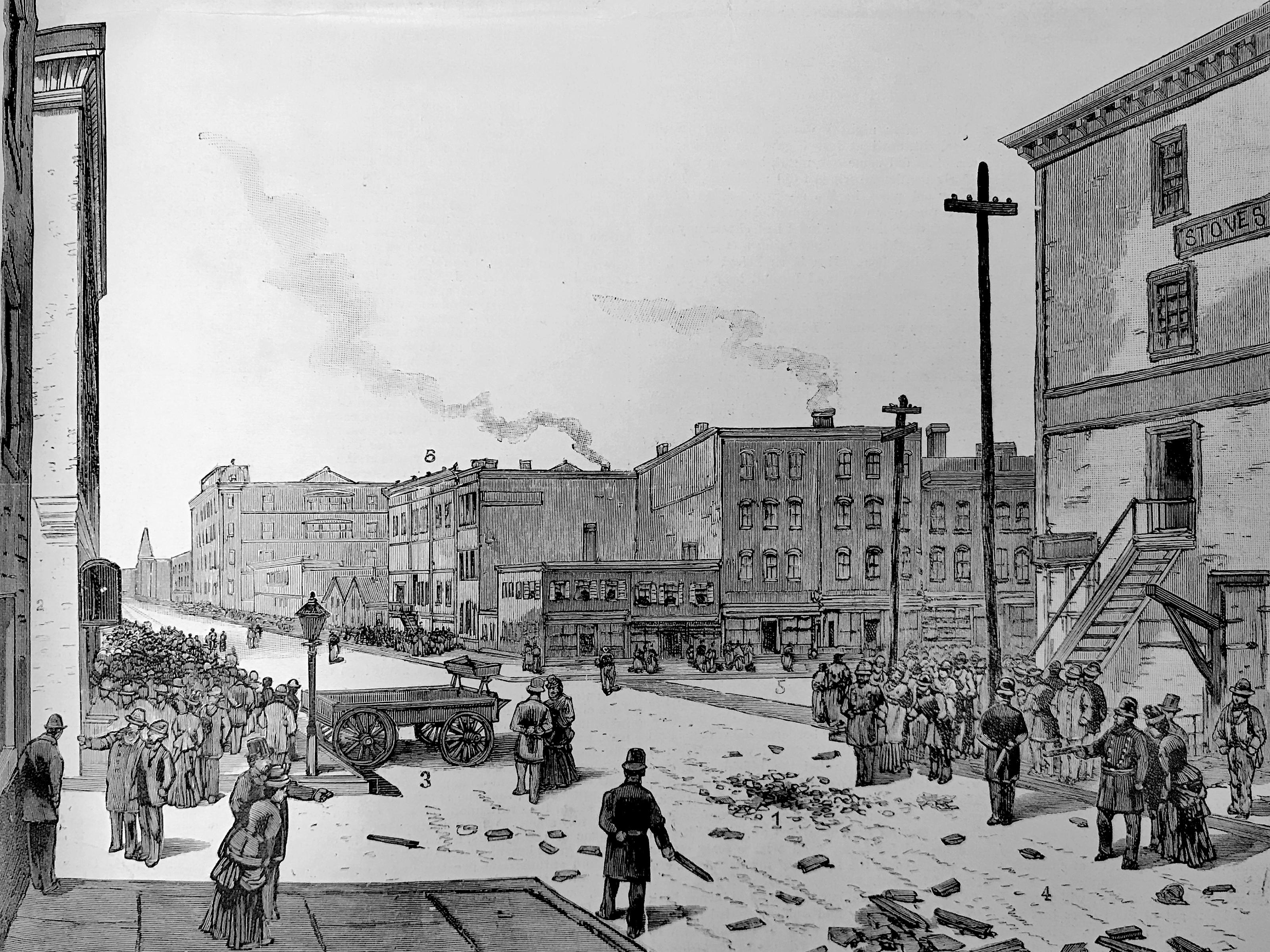
peak of this struggle occurred in 1886 in Chicago,
where thousands of workers went on strike. This movement led to a tragic event
known as the Haymarket Affair, during
which a confrontation between protesters and police resulted in casualties.
This
incident became a turning point in labor history and a powerful symbol of
workers’ resistance worldwide. In 1889, international labor organizations
officially declared May 1st as International Workers’ Day to commemorate the
event and to strengthen global solidarity among workers.
Today,
Labor Day is observed in many countries through peaceful demonstrations,
educational events, and reflections on labor rights and welfare. In Indonesia,
May 1st has been recognized as a national public holiday since 2014.
Ultimately, Labor Day serves as
a reminder of the sacrifices made by workers in the past and as a call to
continue striving for justice, equality, and better working conditions for all.
Back